

MSOPA offers (2) three options for taking workshops:
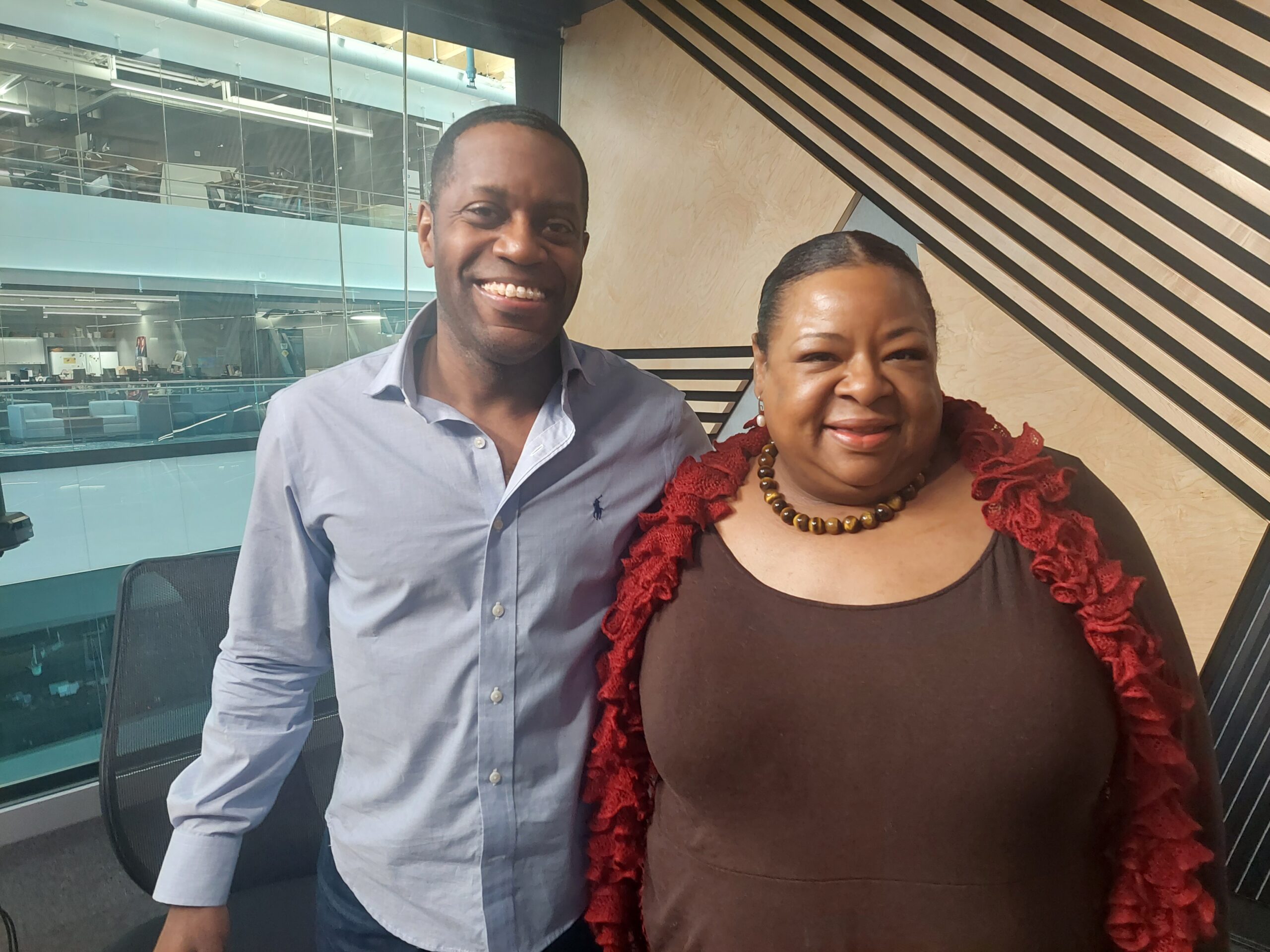
CBC Daybreak Montreal with Sean Henry Radio interview with Josa Maule
https://canvasrebel.com/meet-josa-maule/
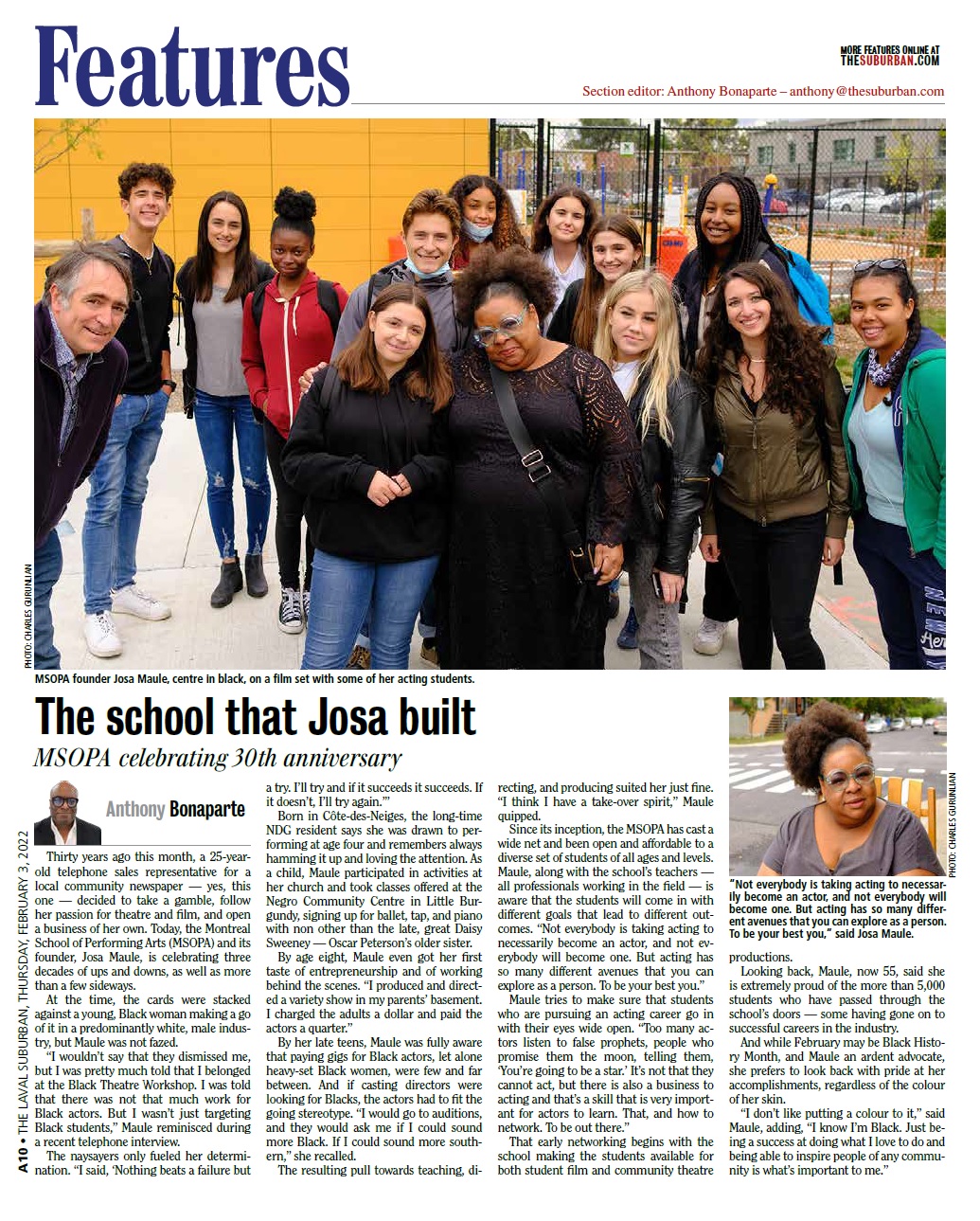
Montreal School of Performing Arts (MSOPA), has been a pillar of the Montreal arts community for over 33 years, providing a space where aspiring and emerging artists can develop their craft. We believe in the transformative power of the performing arts through acting and recognize the importance of this program in fostering self-confidence, cultural expression and community engagement.
MSOPA provides acting training for children, teens, and adults in a safe and comfortable atmosphere. We focus on technique and development, while also teaching them about the business of acting and giving them opportunities to network and work in the industry.
Whatever the age be creative, play! Acting is an opportunity to take a challenging journey, enjoy the process while you gain self- confidence, self discovery, and self empowerment.
Start with a strong foundation, add the tools that are needed, build as you grow, let passion be your guide to give you strength to persevere, be patient, and true. Be the best you.
We welcome you to M.S.O.P.A.

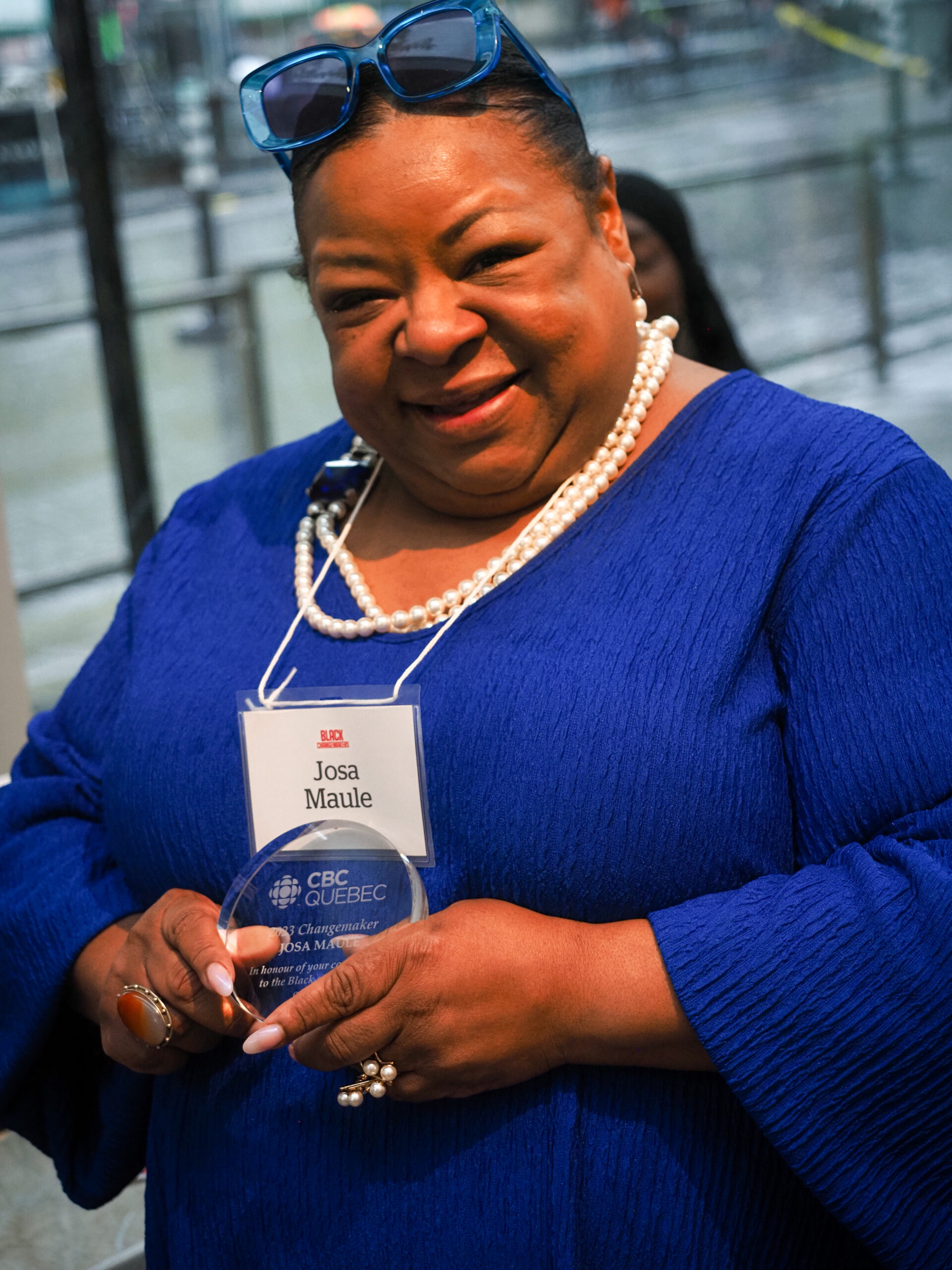

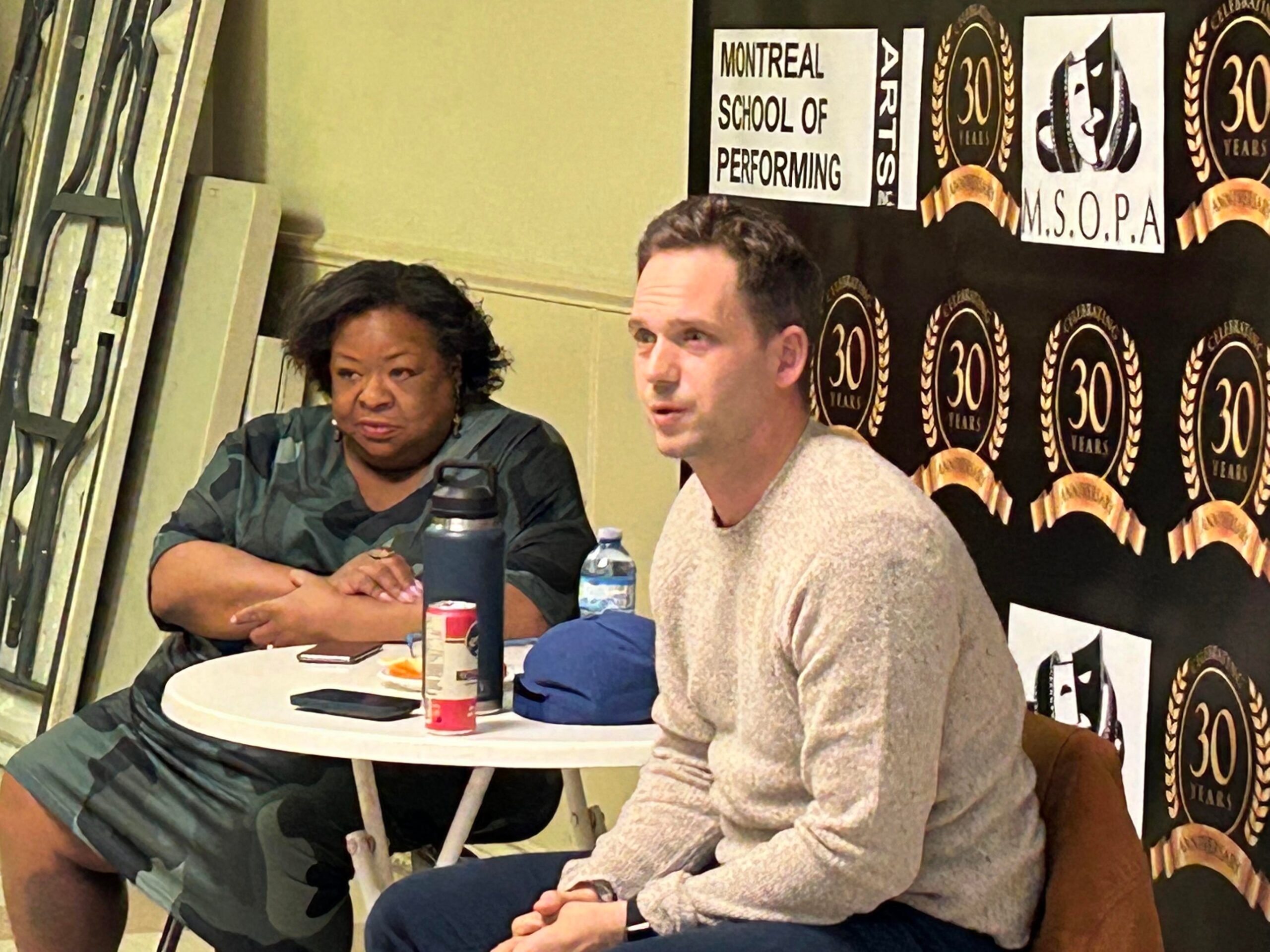
Next Level Show interview with Josa Maule
https://www.youtube.com/watch?v=y2O0As7f-60&t=1317s
 Upcoming Events
CalPress Events
Upcoming Events
CalPress Events There are no events.